
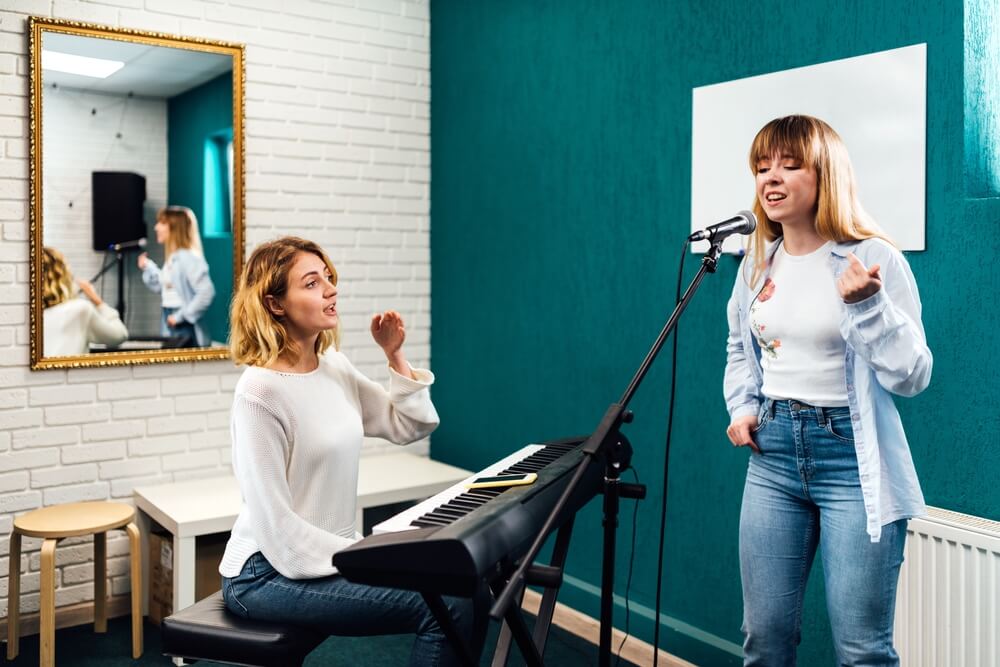
Deciding when to begin singing lessons is a common question for aspiring vocalists. This article will guide you through how to recognise the right time to start, what to expect at different ages and how to find a teacher who aligns with your goals.
When Is The ‘Right Time’ To Start?
You can start singing lessons at almost any age. Factors that may influence when you begin include:
- Access to lessons in your area
- Financial circumstances
- Exposure to performing opportunities
- Personal interest or enjoyment
- Confidence, social skills and musical development
While singing lessons can be valuable at any age, starting young can offer advantages in vocal development, musical growth and long-term vocal health. That said, you can still achieve great progress later in life – it’s less about age and more about how consistently and effectively you train your voice. So if you have the means, interest and motivation – and a willingness to learn with the guidance of a coach or teacher – it may be worth starting lessons sooner rather than later.
Age Considerations For Lessons
Every age brings a unique focus in lessons:
- Children: More playful vocal exploration rather than highly structured training.
- Teenagers: Support through voice changes and puberty.
- Adults: It’s never too late to start – adult learners often bring focus, discipline and life experience to their training.
Regardless of age, the overarching goal is enjoyment and growth. Whether experimenting with tone, learning breath techniques or developing artistry, a supportive teacher will help you get the most out of your voice.
Mindset, Patience And Goals
It is important to understand that singing is a skill that develops gradually. Many beginners expect instant results, but real progress comes from consistency and practice over time. Think of your voice like an athlete’s body – it needs training, rest and steady conditioning. Celebrate the small wins and remember that each step builds toward long-term improvement.
Before signing up, ask yourself: What do I want from my voice? Your goals – whether casual singing, stage performance or professional training – will shape when, how and with whom you begin lessons.
Signs That You Are Ready For Singing Lessons
Starting lessons without genuine interest can slow your progress. You may find yourself unmotivated to practice, uninterested in your repertoire or resistant to feedback. On the other hand, singers who are curious, enjoy lessons and consistently engage with their voice tend to make the fastest progress. Be sure you are committed to your vocal goals and ready to embrace the journey of improvement.
Vocal Health And Readiness
Your vocal health is an important consideration. If you are experiencing vocal pain or suspect an injury, consult a laryngologist before starting lessons. Different vocal injuries require different rehabilitation strategies, so it is best to get a specialist’s approval before committing to training.
Beyond vocal health, aspects like alignment, breath control, vocal coordination and understanding that the voice is an instrument will develop naturally over time with formal lessons.
Overcoming Common Misconceptions
Some singers hesitate to start lessons because they believe:
- “I’m too old.”
- “My voice is damaged.”
- “You have to start as a child to succeed.”
- “You have to be born with it.”
These are common misconceptions. While early training can be beneficial, singers of all ages and backgrounds can develop their voices with the right motivation and guidance, achieving meaningful progress at any stage of life. Even voices that have experienced strain or injury can recover and thrive with proper direction and support.
Finding The Right Teacher
Every teacher brings their own strengths and teaching style. While researching who to learn with, consider factors such as:
- Location and lesson format (in-person or online)
- Cost and availability
- Qualifications and experience
- Specialisation (age groups, voice types, or styles)
- Recommendations and reviews
Most importantly, find a teacher whose approach aligns with your goals and personality. And remember – you are never “stuck” with one teacher. If it’s not the right fit, you can always change.
Choosing The Right Lesson Format
There’s no one-size-fits-all approach to lessons. You might explore:
- In-person lessons: hands-on guidance, real-time feedback and acoustics.
- Online lessons: flexible scheduling, convenience and access to teachers worldwide.
- Group classes: a social and fun way to learn while building confidence.
- Private lessons: fully personalised guidance and faster progress.
Choosing the format that best fits your needs and lifestyle can make your learning journey smoother.
Practice Makes Progress
Lessons are only part of the journey – true growth happens through regular practice between sessions. Set up a simple routine, even 10–20 minutes a few times a week, and focus on making practice enjoyable. Record yourself, sing songs you love and track your progress over time. Consistency matters more than long, exhausting sessions.
Summary
The best time to start singing lessons is when you’re ready, motivated and curious about your voice. Age is not a barrier – what matters most is your interest, goals and willingness to learn. With the right teacher and a clear sense of direction, singing lessons can enrich not only your vocal ability but also your confidence, creativity and overall enjoyment of music.
So if you’ve been wondering whether now is the right time – the answer is simple: it’s never too early, and it’s never too late. The best time to start is when you are ready to take that first step.