
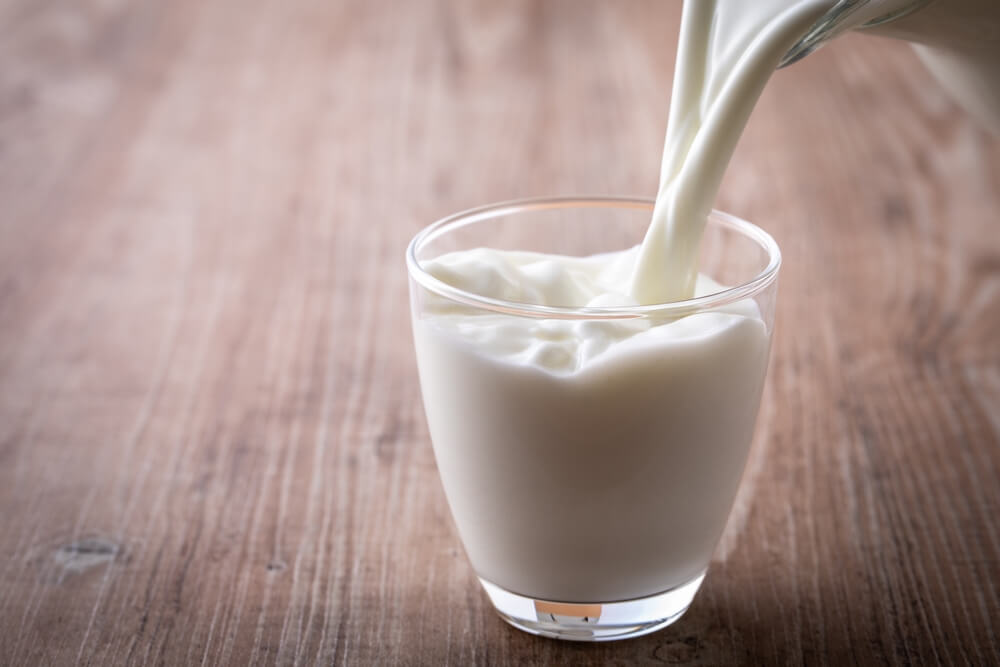
In this article, we will explore the effect of dairy on the voice.
There is a lot of debate about dairy’s impact on the singing voice. Some swear it affects their vocal clarity, while others experience no issues at all. With so much conflicting information, it is important to separate fact from myth and let singers decide for themselves.
What Is A Dairy Product?
Dairy products (also known as lacticinia) are food made from or containing milk. The most common dairy sources include cows, water buffalos, goats and sheep. Some widely consumed dairy products include:
- Milk
- Cream
- Butter
- Yoghurt
- Cheese
- Custard
- Ice cream
Common Reasons Why People Avoid Dairy
There are several reasons why people choose to limit or eliminate dairy from their diet, including:
- Lactose intolerance – difficulty digesting lactose leading to bloating, cramps and digestive discomfort.
- Milk allergy – an immune reaction to milk proteins (casein or whey) which can cause symptoms ranging from hives to breathing difficulties.
- Veganism – a diet and lifestyle that avoids all animal-derived products.
- Environmental concerns – some avoid dairy due to its environmental impact including greenhouse gas emissions and land use.
- Other health reasons or personal beliefs – some believe dairy causes inflammation, and some simply prefer plant-based alternatives for health reasons or personal beliefs.
Lactose Levels
Different dairy products contain varying levels of lactose making some easier to digest than others. Here is a general ranking from highest to lowest:
- Milk – highest lactose content.
- Soft cheeses (e.g. ricotta, cream cheese, feta) – moderately high lactose.
- Hard cheeses (e.g. cheddar, parmesan, gouda) – low lactose due to aging.
- Butter – very little lactose and is generally well tolerated.
What Is Milk Made Of?
Milk is composed of water (87%), lactose (milk sugar), proteins (casein and whey), fats, vitamins and minerals (such as calcium and potassium). The proteins and fats in milk contribute to its thick texture. When consumed, milk can create a coating sensation in the throat which is often mistaken for increased mucus production.
What Is Mucus?
Mucus is a protective fluid made of water, salts, proteins and enzymes. It:
- Traps germs, dust and irritants.
- Contains antibacterial enzymes and antibodies to help prevent infections.
- Is naturally produced in the nose, sinuses and lungs.
Mucus v.s. Phlegm: What Is The Difference?
- Mucus – a thin, watery secretion that protects and cleanses the airways.
- Phlegm – a thicker substance produced in the lungs, often during illness, to expel harmful particles.
What Actually Increases Mucus?
Excess mucus is typically caused by:
- Allergies
- Respiratory infections (colds, flu, sinusitis, bronchitis)
- Post-nasal drip (mucus dripping down the back of the throat)
- Dry climates or air conditioning
- Dehydration
- Certain medications
Does Dairy Cause More Mucus?
Myth v.s. Fact: While many believe dairy increases mucus production, scientific studies show that this isn’t the case. Instead, milk’s texture may create a sensation of thicker mucus in the throat. Similar effects can be experienced with non-dairy drinks like soy, oat or coconut milk.
How Does Dairy Affect The Throat?
For singers, throat clarity is essential and dairy’s effects vary. Here’s how it may impact the throat:
- Thickening Sensation – milk’s texture may create a coated feeling in the throat. Some singers find this distracting while others do not notice it.
- Potential Irritation – if you have acid reflux, allergies or mild lactose intolerance, dairy might contribute to throat discomfort or phlegm buildup.
- Hydration & Dairy – some dairy products (like cheese) contain higher sodium levels, which may contribute to mild dehydration. Drinking plenty of water helps counteract this.
- Cold v.s. Warm Dairy – cold dairy beverages can sometimes cause throat constriction, making it feel tighter. If you enjoy dairy, try consuming it warm to see if it reduces this effect.
Should Singers Avoid Dairy?
Not necessarily! Some singers avoid it entirely while others experience no issues after consumption. If dairy does not affect your voice, there is no reason to eliminate it. However, if you notice any throat discomfort, try eliminating it and see if that makes a difference.
Tips For Singers Who Consume Dairy
- Stay Hydrated – drink water to counteract any thickening sensation.
- Time It Right – if dairy affects you, avoid it in the lead-up to singing or altogether.
- Experiment with Alternatives – try plant-based milks to see if they work better for you.
Key Takeaways
- Dairy does not increase mucus production but may create a coating sensation in the throat.
- Hydration and overall vocal care are more important than avoiding dairy alone.
- If dairy does not bother your throat, enjoy it! If it does, adjust your timing, try alternatives or eliminate it before singing or altogether.
Please Note:
While the information in this article has been researched, it is important to consult your doctor or nutritionist before making any drastic changes to your diet.